The future of tax does not lie within the boundaries of the tax department; it lies within the broader ecosystem of data, technology, finance, and business processes that collectively shape tax outcomes.

All in Tax & Finance Excellence
The future of tax does not lie within the boundaries of the tax department; it lies within the broader ecosystem of data, technology, finance, and business processes that collectively shape tax outcomes.
Artificial intelligence is not transforming tax because it automates compliance; it is transforming tax because it fundamentally changes how tax generates, interprets, and creates value from data.
The future of Finance is not reporting what happened. It is ensuring that the right information reaches the right place at the right time.
Most tax departments still think their biggest challenge is tax law. Increasingly, their biggest challenge is data architecture.
The rapid development of AI is rewriting the story of tax, accounting, and finance. By automating routine tasks, enhancing analysis, and supporting strategic decision-making, AI is unlocking new levels of efficiency, quality, and value.
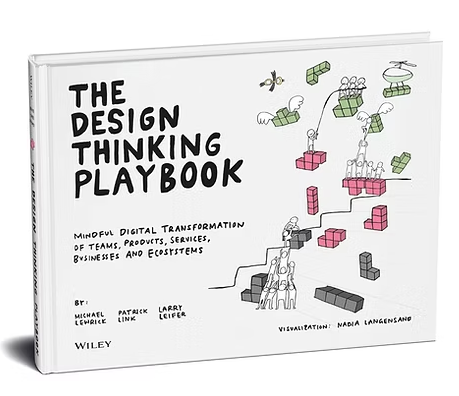
Incorporating design thinking into the development of a tax function operating model represents a transformative approach to modernizing tax processes.
This article explores how the AI technologies are utilized to automate and improve the efficiency of tax processes, providing a comprehensive solution for organizations aiming to streamline their tax operations.
In the contemporary business environment, characterized by turbulence, uncertainty, novelty, and ambiguity (TUNA), traditional tax function processes and operating models are increasingly inadequate.
In the ever-evolving landscape of corporate governance, the tax function plays a pivotal role in ensuring compliance, optimizing financial performance, and supporting strategic business decisions. Developing a strategic roadmap for the tax function involves a comprehensive approach that integrates various elements and stakeholders within an organization.
Corporate tax functions need constantly ensure tax compliance and grow in their maturity as technology evolves.