Despite the abundance of data, many business leaders struggle to achieve the desired outcomes in terms of cost, time, benefits, quality, and risk management.
Despite the abundance of data, many business leaders struggle to achieve the desired outcomes in terms of cost, time, benefits, quality, and risk management.
This book is not just a memoir but a guide to transformational leadership, offering seven essential tools that can drive significant change in both personal and professional realms.
In the contemporary business environment, characterized by turbulence, uncertainty, novelty, and ambiguity (TUNA), traditional tax function processes and operating models are increasingly inadequate.
Leading a transformation programme is a complex and multifaceted endeavor that requires a blend of strategic planning, effective team management, and adaptive execution. Successful transformation programme is characterized by their ability to align diverse stakeholders, mitigate risks, and deliver on ambitious goals.
What makes coaching so magnetic, and why are people flocking to it faster than they do to the latest viral dance trend? Let’s dive into the logic (and sprinkle in a bit of humor) behind coaching’s growing appeal.
In the ever-evolving landscape of corporate governance, the tax function plays a pivotal role in ensuring compliance, optimizing financial performance, and supporting strategic business decisions. Developing a strategic roadmap for the tax function involves a comprehensive approach that integrates various elements and stakeholders within an organization.
In the intricate dance of organizational dynamics, the question of whether leaders shape culture or are shaped by it has long been a subject of debate. This relationship is not merely a one-way street but a complex interplay where both elements influence and mold each other.
Corporate tax functions need constantly ensure tax compliance and grow in their maturity as technology evolves.
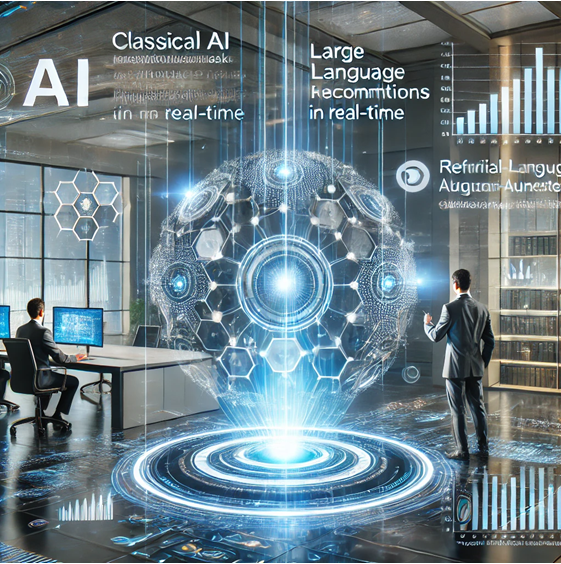
The transformative potential of artificial intelligence (AI) within the tax function has become undeniable. From processing thousands of transactions with near-perfect accuracy in seconds to facilitating strategic decision-making, AI is reshaping the way tax professionals operate.
In the realm of corporate finance, tax planning and tax management are essential components of a globally efficient tax function. Both components complement one another and draw on interconnected data sources, though they serve distinct roles within a business’s overall tax strategy.