The Theory of Constraints provides a compelling framework for consulting firms seeking to improve delivery, scale operations, or simply gain clarity on what’s holding them back.

The Theory of Constraints provides a compelling framework for consulting firms seeking to improve delivery, scale operations, or simply gain clarity on what’s holding them back.
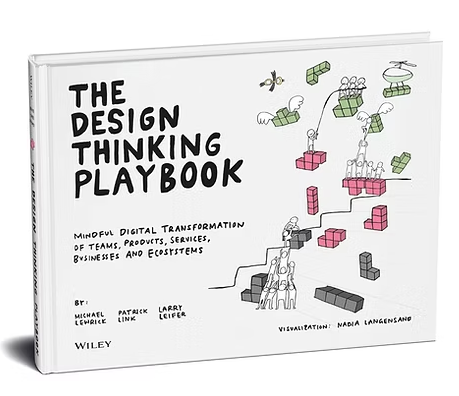
Incorporating design thinking into the development of a tax function operating model represents a transformative approach to modernizing tax processes.
Marcus Aurelius’ “Meditations” offers timeless wisdom that can significantly enhance modern leadership.
This article explores how the AI technologies are utilized to automate and improve the efficiency of tax processes, providing a comprehensive solution for organizations aiming to streamline their tax operations.
One effective strategy that has gained significant traction is the establishment of Centers of Expertise (CoE). These centralized hubs of specialized knowledge and skills create substantial strategic value, driving efficiency, innovation, and the digital transformation of business processes.
This article provides a comprehensive overview of the 24-hour countdown technique, highlighting its methodology, benefits, and applications. By implementing this technique, individuals can gain valuable insights into their daily routines and make informed decisions to enhance their productivity and overall quality of life.
The relationship between change and stability is a complex but essential aspect of successful transformation programs.
Despite the abundance of data, many business leaders struggle to achieve the desired outcomes in terms of cost, time, benefits, quality, and risk management.
This book is not just a memoir but a guide to transformational leadership, offering seven essential tools that can drive significant change in both personal and professional realms.
In the contemporary business environment, characterized by turbulence, uncertainty, novelty, and ambiguity (TUNA), traditional tax function processes and operating models are increasingly inadequate.